Archaelogy

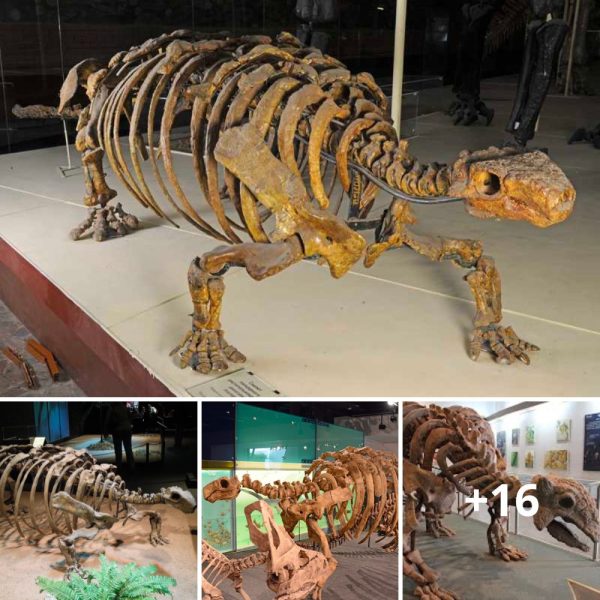
Talarurus Fossils Unearthed: Shedding Light on a Late Cretaceous Giant from Mongolia

Talarurus, a relatively lesser-known dinosaur from the Late Cretaceous period, is an intriguing addition to the list of prehistoric giants discovered in Mongolia. This colossal creature, though not as renowned as some of its dinosaur relatives, provides invaluable insights into the diverse life that once thrived during the Late Cretaceous era. Discovery and Mongolian Heritage […]
Archaelogy

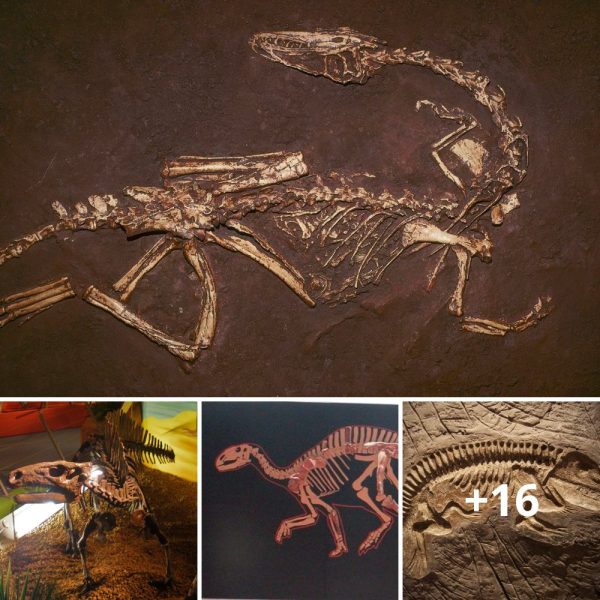
The European Heritage: Rhabdodon Fossils Illuminate the Late Cretaceous Era

Rhabdodon, a lesser-known dinosaur from the Late Cretaceous period, is a captivating piece of Europe’s prehistoric heritage. This remarkable creature, though not as renowned as some of its dinosaur counterparts, offers valuable insights into the diversity of life during the Late Cretaceous era. Rhabdodon fossils have been unearthed in Europe, particularly in Spain, France, and

Archaelogy

Unlocking the Nanotyrannus Enigma: The Mystery of North America’s Tiny Tyrant

Nanotyrannus, which means “dwarf tyrant,” is a dinosaur that has been the subject of intense debate and scrutiny in the paleontological community. It is often considered a distinct species of tyrannosaurid, separate from T. rex, due to its smaller size and unique anatomical features. Some scientists, however, argue that Nanotyrannus might not be a separate

Archaelogy

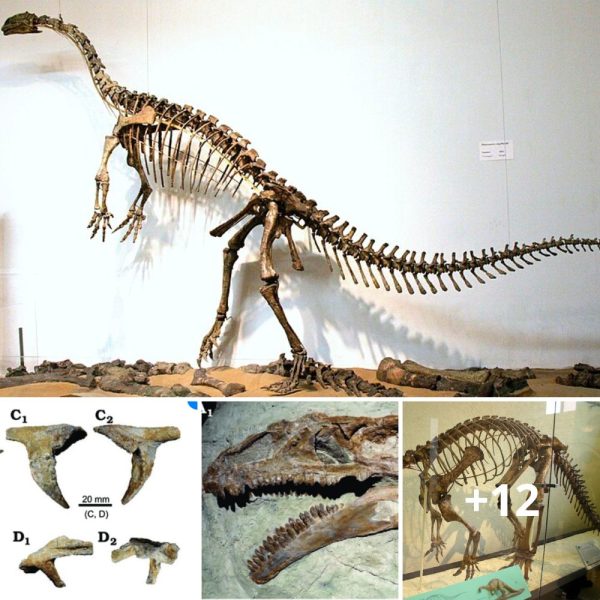
Unearthing the Giants of the Past: Sauropodomorpha Fossils Reveal Earth’s Ancient Herbivorous Behemoths

Sauropodomorpha, a suborder of the dinosaur family, included some of the largest terrestrial animals to ever exist. These magnificent creatures roamed the Earth during the Late Triassic and Jurassic periods, showcasing a remarkable diversity in size, shape, and adaptations. From the comparatively modest Plateosaurus to the colossal Argentinosaurus, Sauropodomorpha dinosaurs were the true behemoths of

Archaelogy

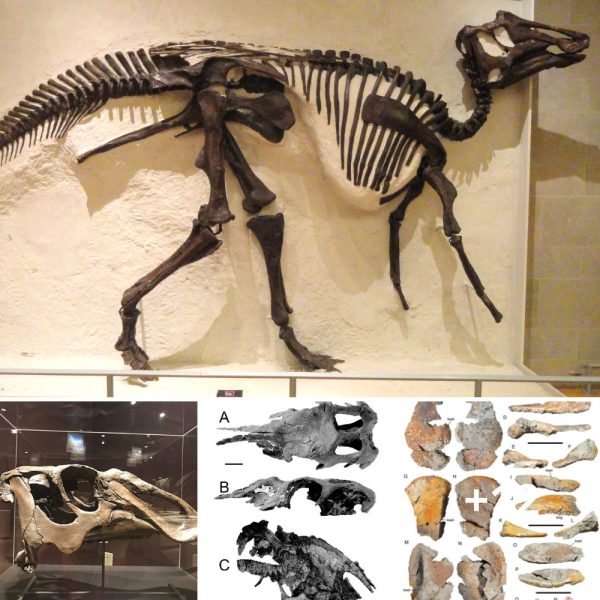
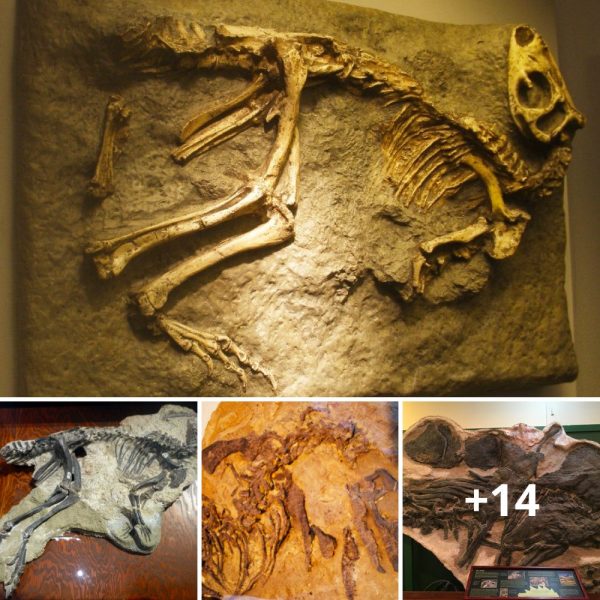
Prosaurolophus: Exploring the Late Cretaceous Herbivore with Fossils from North America, Dating Back 76 Million Years

Prosaurolophus, often referred to as the “duck-billed” dinosaur, was a unique species. These herbivores stood out for their distinctive flattened, elongated snouts, which resembled the bills of modern-day ducks. Their name, “Prosaurolophus,” is derived from the Greek words “pros,” meaning forward, and “saurolophus,” referring to a close dinosaur relative. This name aptly captures the essence

2

Scroll to Top