Archaelogy

Archaelogy

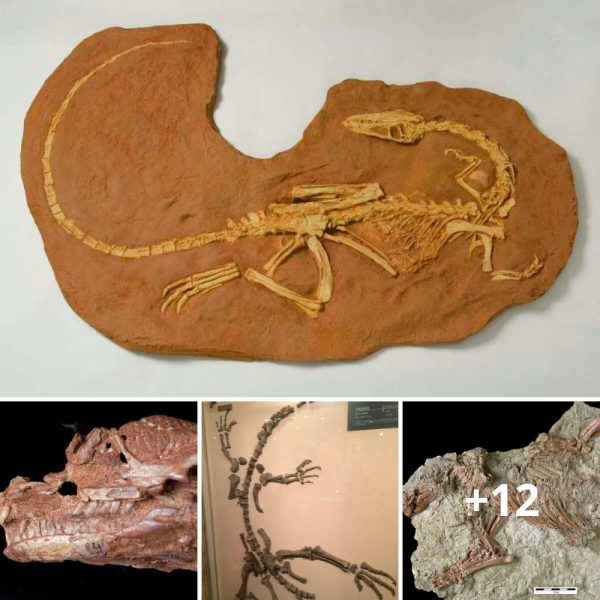
Unlocking the Nanotyrannus Enigma: The Mystery of North America’s Tiny Tyrant

Nanotyrannus, which means “dwarf tyrant,” is a dinosaur that has been the subject of intense debate and scrutiny in the paleontological community. It is often considered a distinct species of tyrannosaurid, separate from T. rex, due to its smaller size and unique anatomical features. Some scientists, however, argue that Nanotyrannus might not be a separate […]
Archaelogy

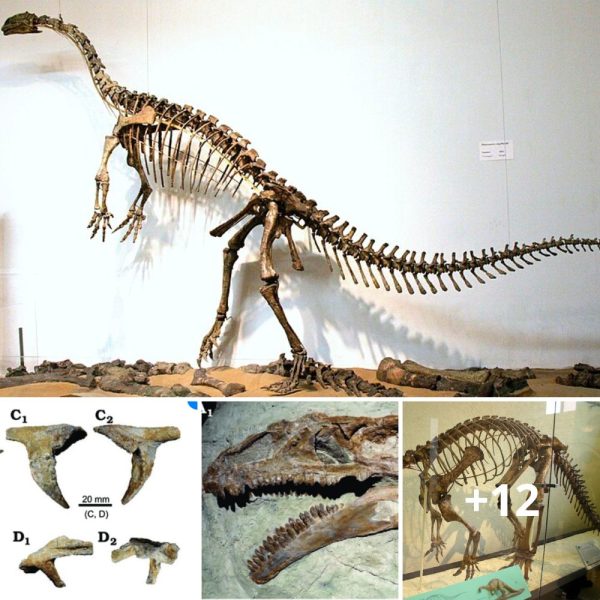
Unearthing the Giants of the Past: Sauropodomorpha Fossils Reveal Earth’s Ancient Herbivorous Behemoths

Sauropodomorpha, a suborder of the dinosaur family, included some of the largest terrestrial animals to ever exist. These magnificent creatures roamed the Earth during the Late Triassic and Jurassic periods, showcasing a remarkable diversity in size, shape, and adaptations. From the comparatively modest Plateosaurus to the colossal Argentinosaurus, Sauropodomorpha dinosaurs were the true behemoths of

Archaelogy

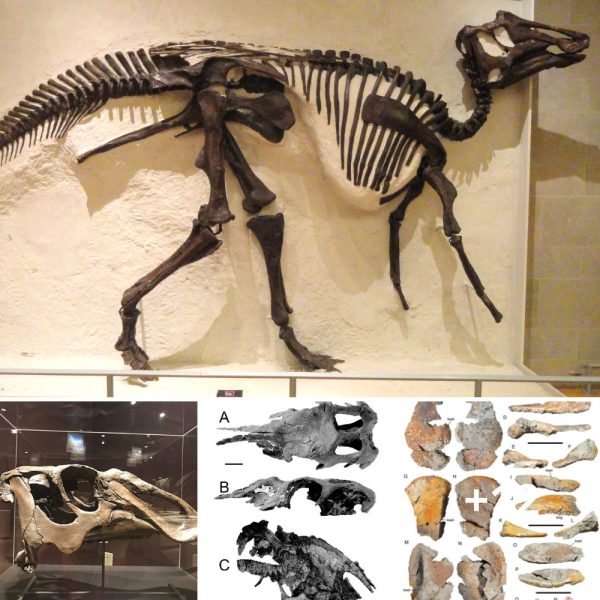
Prosaurolophus: Exploring the Late Cretaceous Herbivore with Fossils from North America, Dating Back 76 Million Years

Prosaurolophus, often referred to as the “duck-billed” dinosaur, was a unique species. These herbivores stood out for their distinctive flattened, elongated snouts, which resembled the bills of modern-day ducks. Their name, “Prosaurolophus,” is derived from the Greek words “pros,” meaning forward, and “saurolophus,” referring to a close dinosaur relative. This name aptly captures the essence

Archaelogy

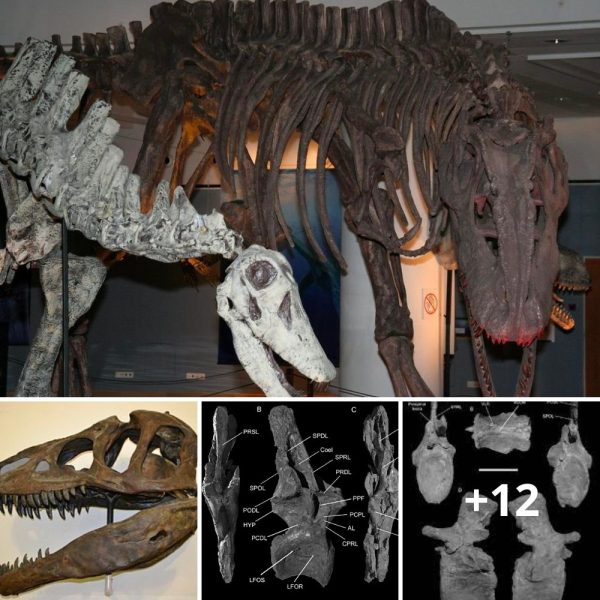
South American Giants: The Fascinating World of Andesaurus Dinosaurs

In the annals of paleontology, there are creatures whose very names evoke a sense of awe and grandeur. Among these giants of the prehistoric world are the Andesaurus dinosaurs, whose fossils tell a fascinating story of colossal herbivores that once roamed the ancient landscapes of South America. Let’s embark on a journey to discover the

Archaelogy

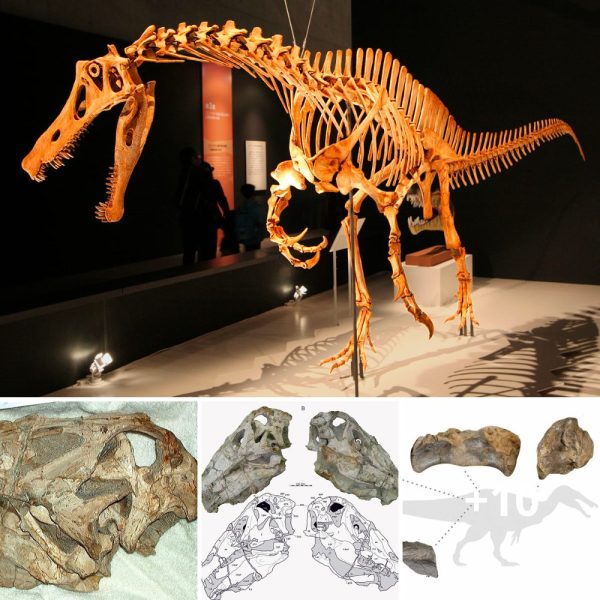
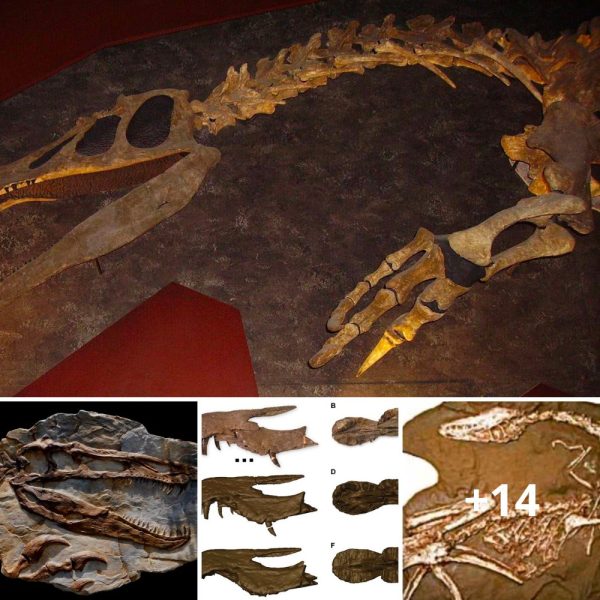
European Dinosaur Discovery: Baryonyx Fossil Found in England, Offering Insights into a 130-Million-Year-Old Predator

The discovery of Baryonyx fossils in England is a significant paleontological find that provides insights into a 130-million-year-old predator, offering a window into the Earth’s prehistoric past. Baryonyx, which means “heavy claw,” was a carnivorous dinosaur that lived during the Early Cretaceous period, approximately 130 million years ago. It belonged to a group of theropod

2

Scroll to Top